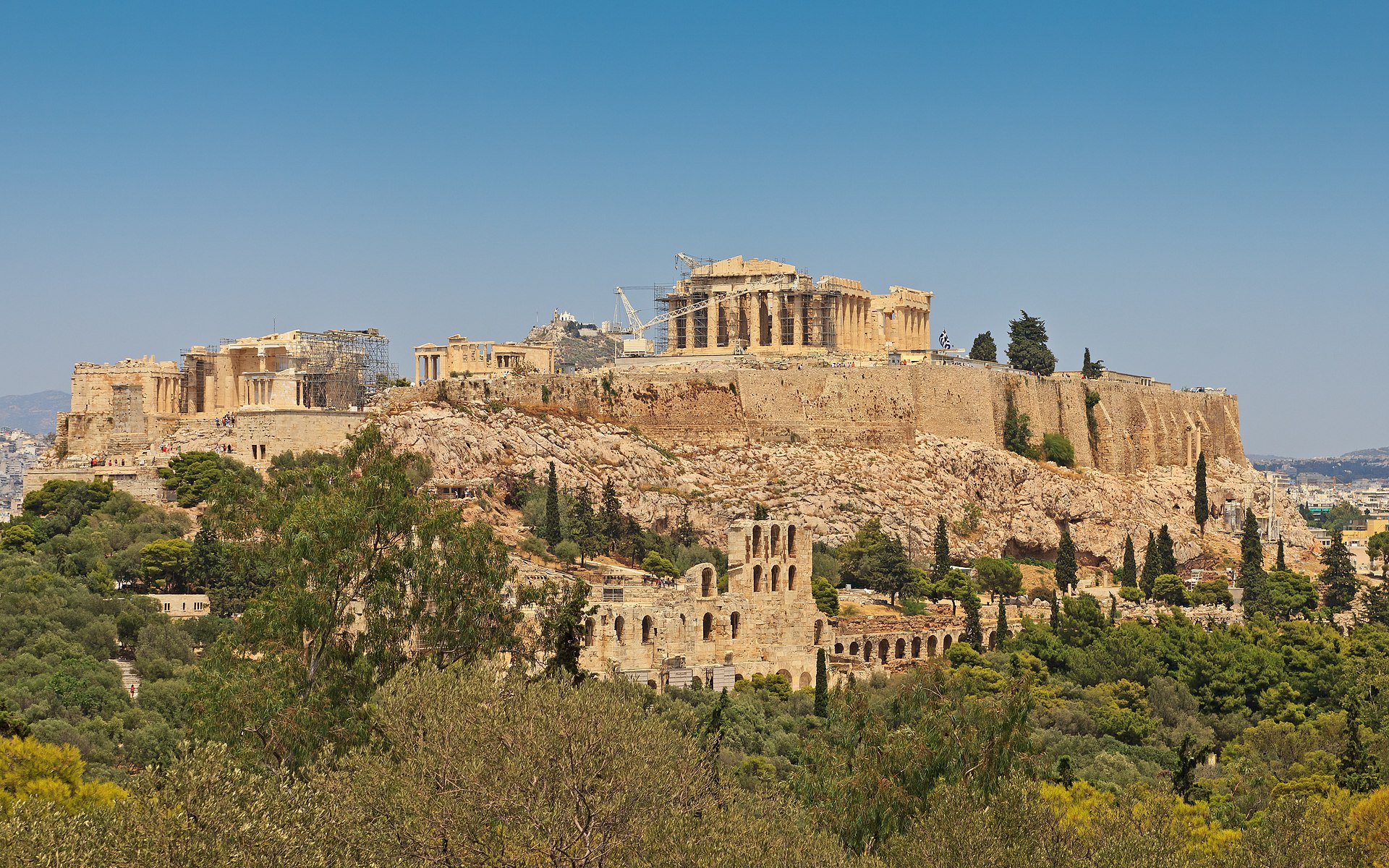
The Silence Breaks
In Athens, the opening of the first modern Olympic Games is celebrated.
Years of Silence
In 393 AD, the Roman Emperor Theodosius I silenced a tradition that had defined human excellence for centuries. The ancient olive branches withered. The marble sanctuaries of Olympia crumbled into dust.
For a millennium and a half, the world forgot the sacred truce and the athletic pursuit of glory. The stadium lay buried under the weight of time, leaving an empty void where the roar of the crowd once echoed.

Drag Through the Void
Scrub the timeline below. Feel the weight of fifteen centuries collapsing between your fingertips.
The Dreamer's Bet
From the ashes of forgotten centuries, an improbable vision emerged. Across the shifting borders of 19th-century Europe and beyond, a spark was ignited. They journeyed by land and sea, carrying the hopes of a world awakening to the possibility of a unified stage.
A new ledger was etched, not in stone, but in the collective determination to resurrect a lost ideal.
Athletes
Nations
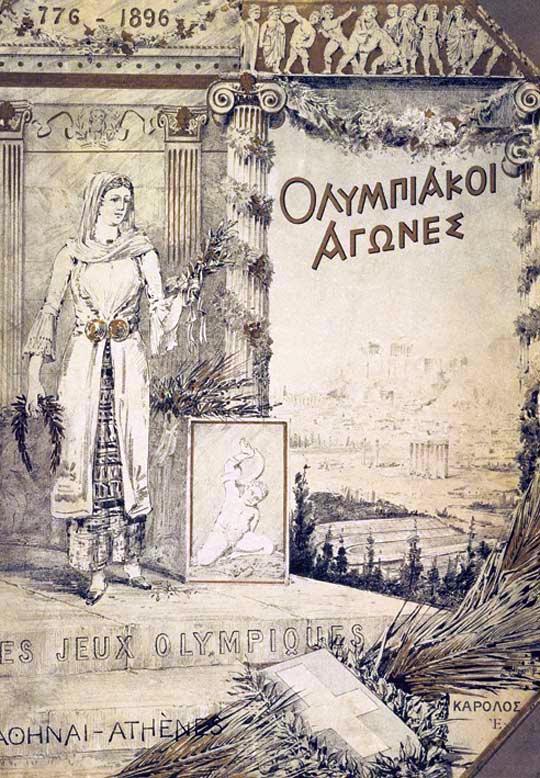
A Monument Restored
Athens prepared to receive the world. The historic Panathenaic Stadium, once a ruin, was meticulously rebuilt. Blocks of gleaming white Pentelic marble were laid, restoring the colossal arena to its former majesty.
The contrast was striking: classical antiquity resurrected to host the birth of modern organized sports. A monument to human endeavor, standing as a testament to the belief that history could breathe once more.
The Roar Returns
On the 6th of April, 1896, the silence finally broke. King George I of Greece stood before an unprecedented sea of spectators. The collective breath of the crowd was held, then released in a deafening roar. In that electric moment, ancient and modern collapsed into one. The flame that had been extinguished for fifteen centuries burned brightly once again, illuminating a new era of international competition.