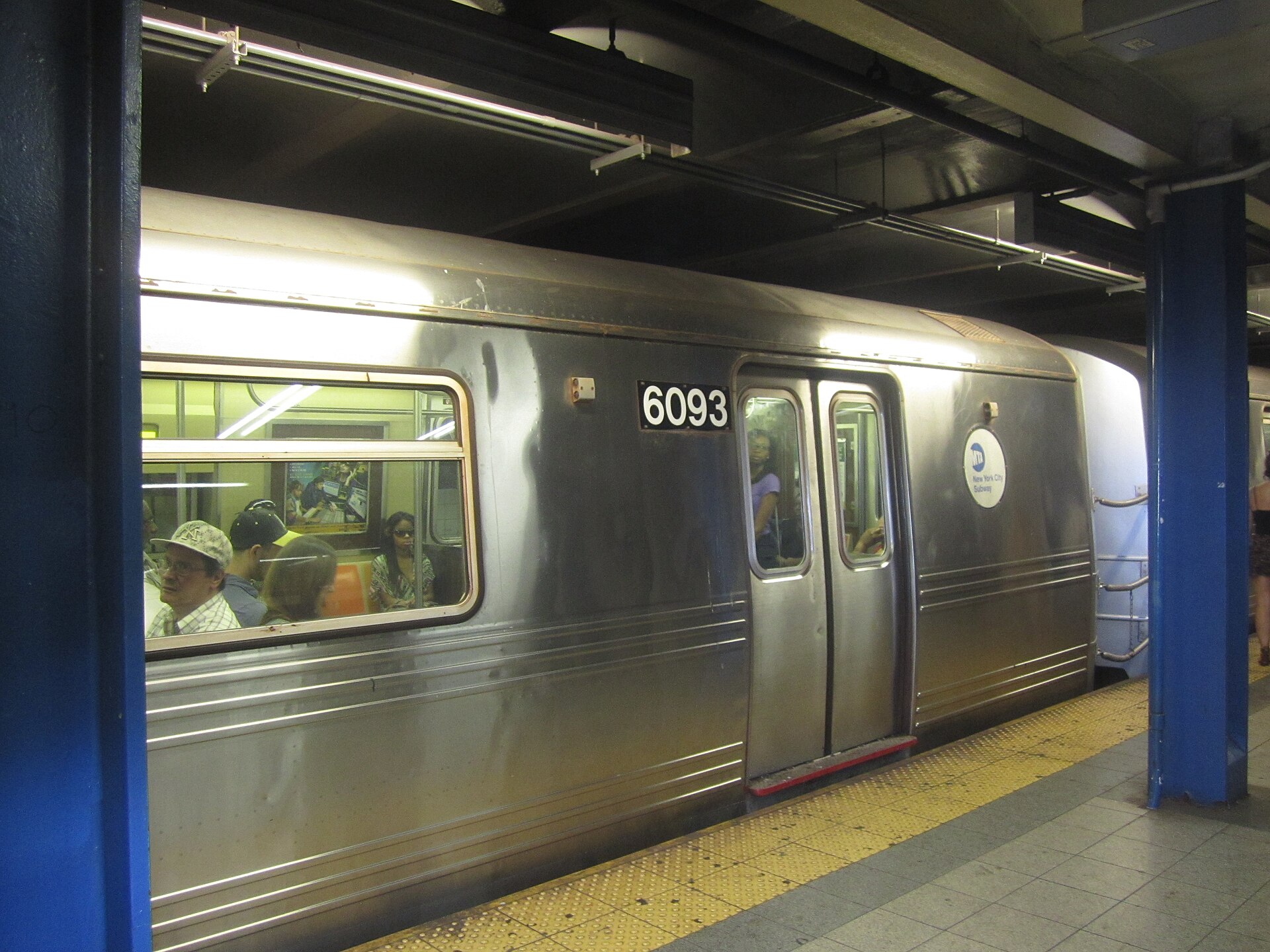
BELOW
THE SURFACE
High above the bedrock, Manhattan was choking on its own vitality. By the turn of the century, two million citizens found themselves ensnared in a chaotic lattice of horse-drawn carriages, streetcars, and elevated steam trains.
The island, teeming with ambition, had run out of surface area. The gridlock was absolute. Progress demanded a radical descent.
THE MOMENT
THE EARTH OPENED
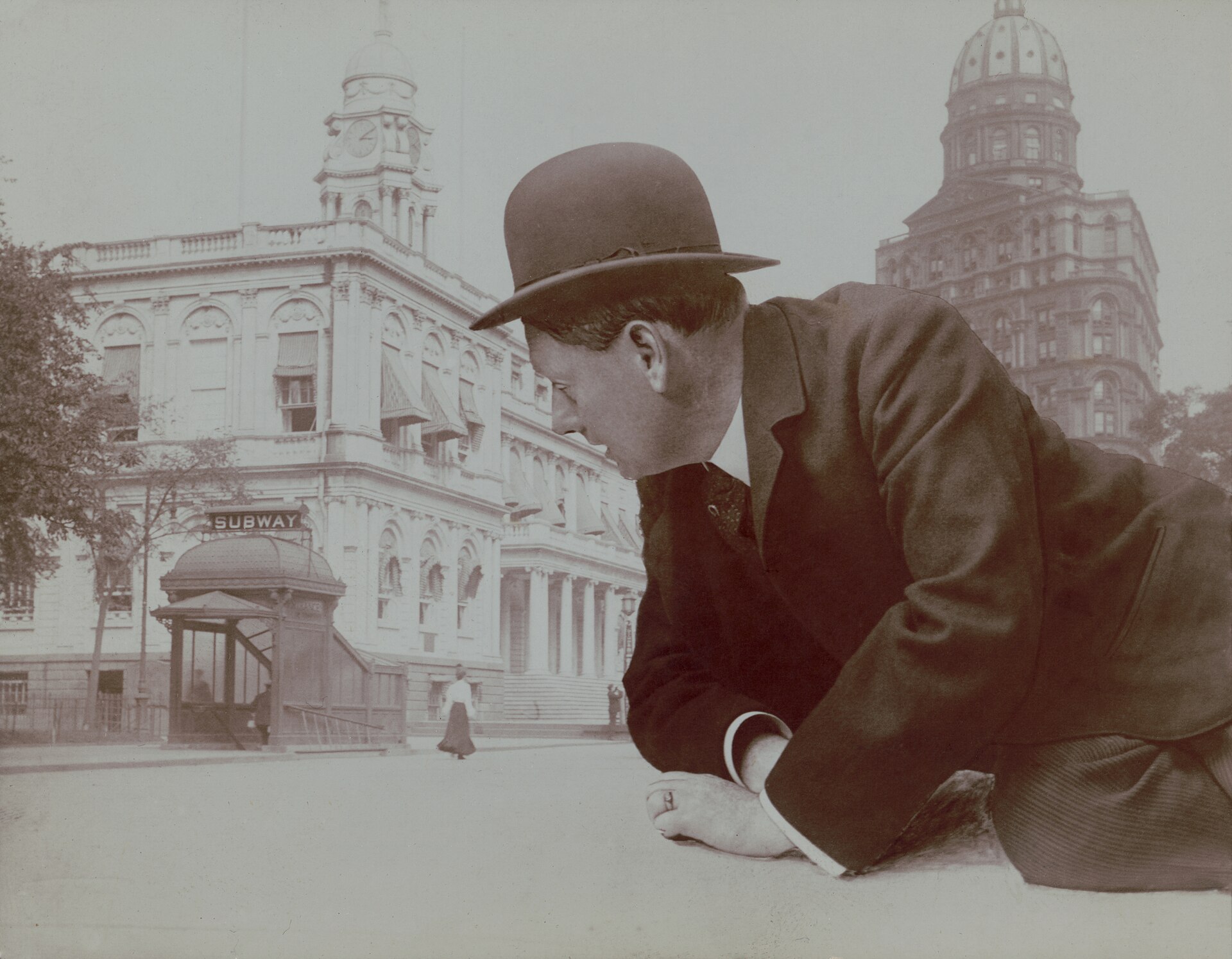
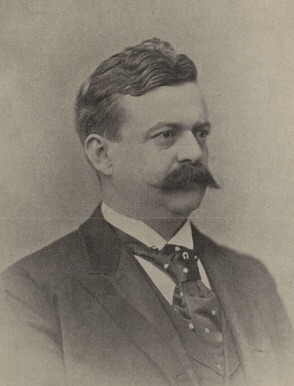
On a cold morning outside City Hall, the earth was formally commanded to part. With a ceremonial silver spade, Mayor Robert Anderson Van Wyck struck the frozen ground, initiating the construction of the Rapid Transit Railroad.
It was a singular, seemingly mundane political gesture that triggered a seismic restructuring of urban life. The solitary trench dug that day would soon bridge Manhattan and Brooklyn, becoming the vital, thrumming artery of a modern metropolis.
THE LONG SHADOW DOWNWARD
From that initial cut into the topsoil, a vast subterranean circulatory system took root deep within the bedrock. The solitary tunnel expanded relentlessly, driving through dense Manhattan schist and plunging beneath the currents of the East River.
Every screeching halt, every blast of warm tunnel air, and every underground commute experienced today is a direct, reverberating echo of that one cold morning in 1900. New York City didn't just build a transit system; it forged a second city entirely out of the dark.