Mir: A Controlled Goodbye
Humanity's first continuously inhabited long-term research station completes its 15-year operational lifecycle.
Conceived in the twilight of the Soviet era and maintained through the dawn of international orbital cooperation, Mir proved that long-duration spaceflight was survivable. It was a chaotic, modular labyrinth of cables, humming fans, and scientific ambition. For 15 years, it defied the vacuum, serving as an unprecedented staging ground for human endurance.
But the architecture was aging. The cost of maintenance eclipsed the budget for discovery. The decision was not driven by catastrophic failure, but by calculated obsolescence—a necessary closure to pave the way for the International Space Station.
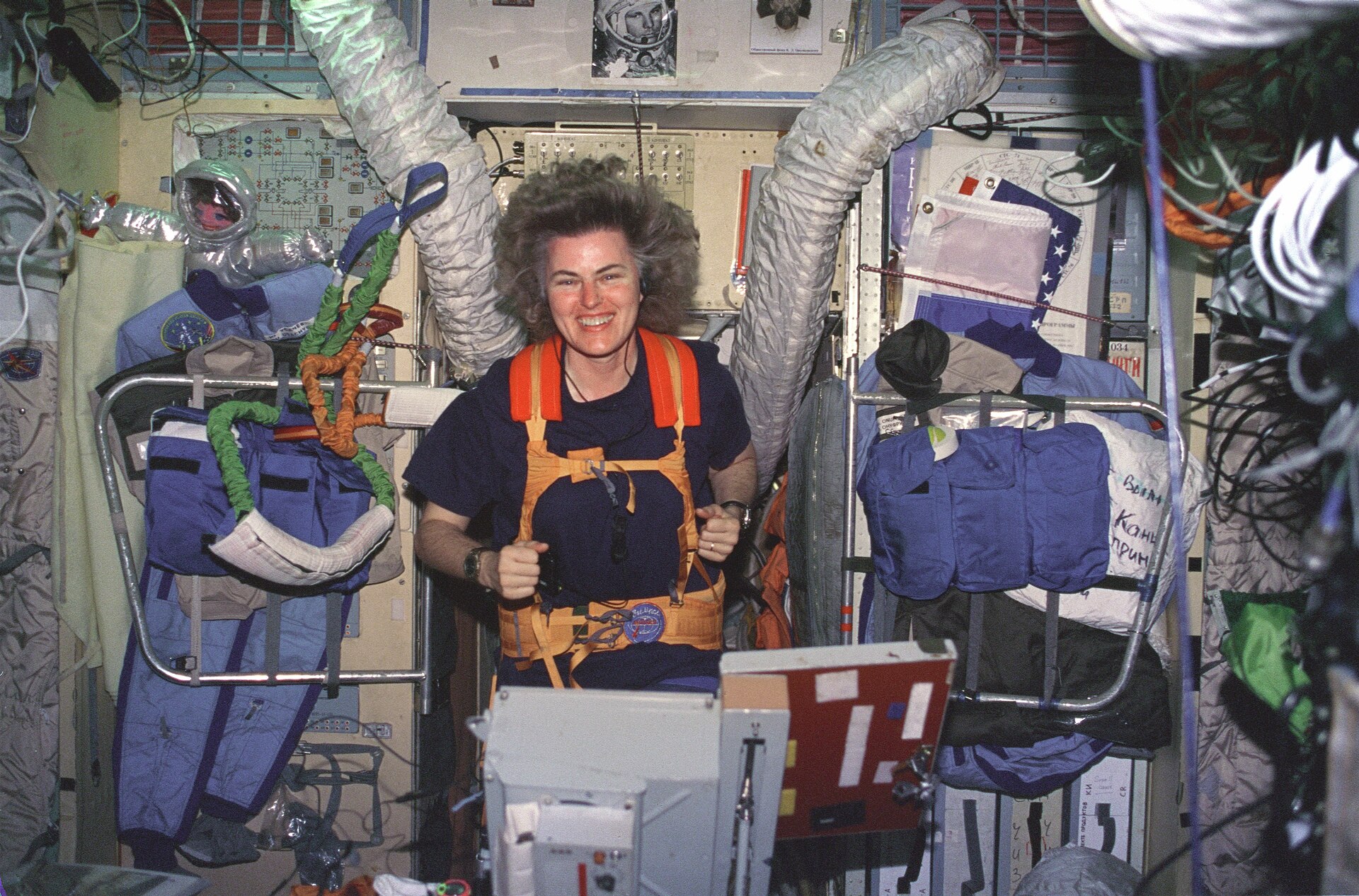
Habitation Archive
Expedition Crews
← SCROLL TO EXPLORE — TAP TO ILLUMINATE →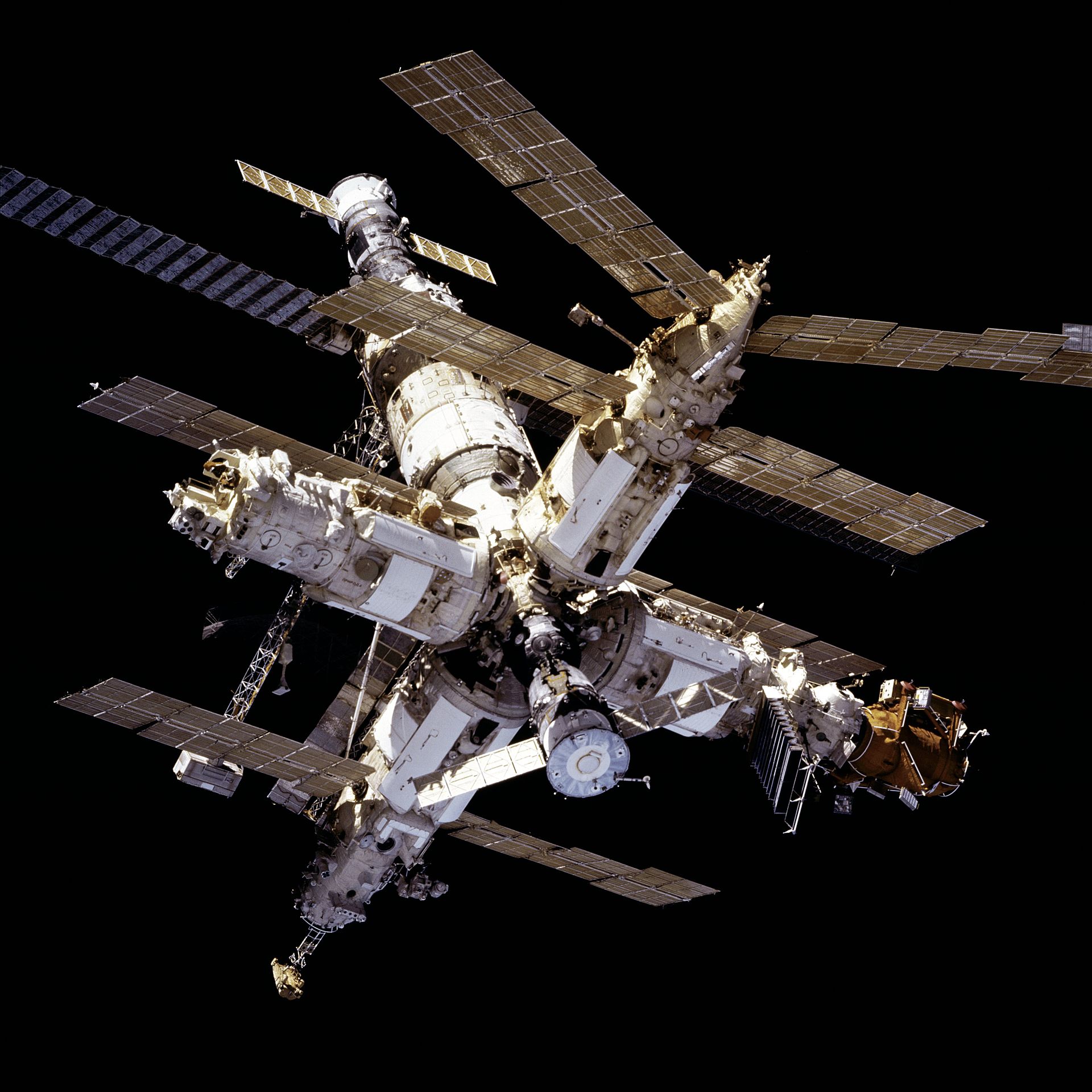
The Burn
The deorbit sequence was not a sudden act, but a meticulously choreographed descent. Over weeks, Mir's orbit was allowed to naturally decay to a critical threshold. Then, Progress M1-5—a disposable cargo ship docked to the station—fired its engines.
Three precision burns were executed. The final burn locked the station into an irreversible trajectory, tipping the nose of the 130-ton complex toward the dense layers of the Earth's atmosphere. At this moment, Mission Control in Korolyov transitioned from operating a habitat to managing a kinetic projectile.
The Pacific Resolution
At 06:59 UTC, the unburned remnants of Mir—heavy docking nodes, titanium spheres, and dense gyrodynes—shattered the surface of the southern Pacific Ocean near Fiji. There was no recovery team, no monument. Only the vast, cold water reclaiming the metal.
Mir's legacy did not sink with its hardware. The engineering lessons, the psychological data from marathon flights, and the unprecedented international diplomacy required to run it were already deeply embedded in the International Space Station orbiting silently above. Mir was disposed of, but its mission never truly ended.