THE ROCK
GOES QUIET
ACT I — THE ISLAND

Alcatraz was never meant to be merely a building; it was an imposition. A fog-breathing presence anchored in the cold, turbulent currents of the San Francisco Bay. The distance to the city lights was barely a mile and a half, yet it represented an impossible gulf.
It was a fortress of isolation, constructed to swallow those who had proven uncontainable elsewhere. The damp salt air clung to the concrete, serving as a constant, inescapable reminder of the ocean's unyielding perimeter.
ACT II — 29 YEARS OF LEGEND
A descent into institutional mythology. For nearly three decades, these cell blocks operated as the terminus for America's most notorious. The infrastructure was a mechanical beast of iron and cracked plaster, systematically processing human lives into rigid inmate numbers.
Alphonse Gabriel Capone
CRIME: Tax Evasion
INTAKE: August 1934
[ FLIP DOSSIER TO VIEW DEPARTURE ]
Despite his fearsome reputation on the outside, Capone's time on the Rock was defined by routine. Stripped of influence and isolated from his syndicate, he eventually played the banjo in the inmate band, the “Rock Islanders.” He was quietly transferred in 1939.
George “Machine Gun” Kelly
CRIME: Kidnapping
INTAKE: September 1934
[ FLIP DOSSIER TO VIEW DEPARTURE ]
A violent legend reduced to a model prisoner. Kelly spent his days quietly working as a clerk in the prison industries. He constantly wrote letters detailing his regret and reflecting on the hollow nature of his crimes. He was transferred back to Leavenworth in 1951.
ACT III — THE FINAL KEY TURN
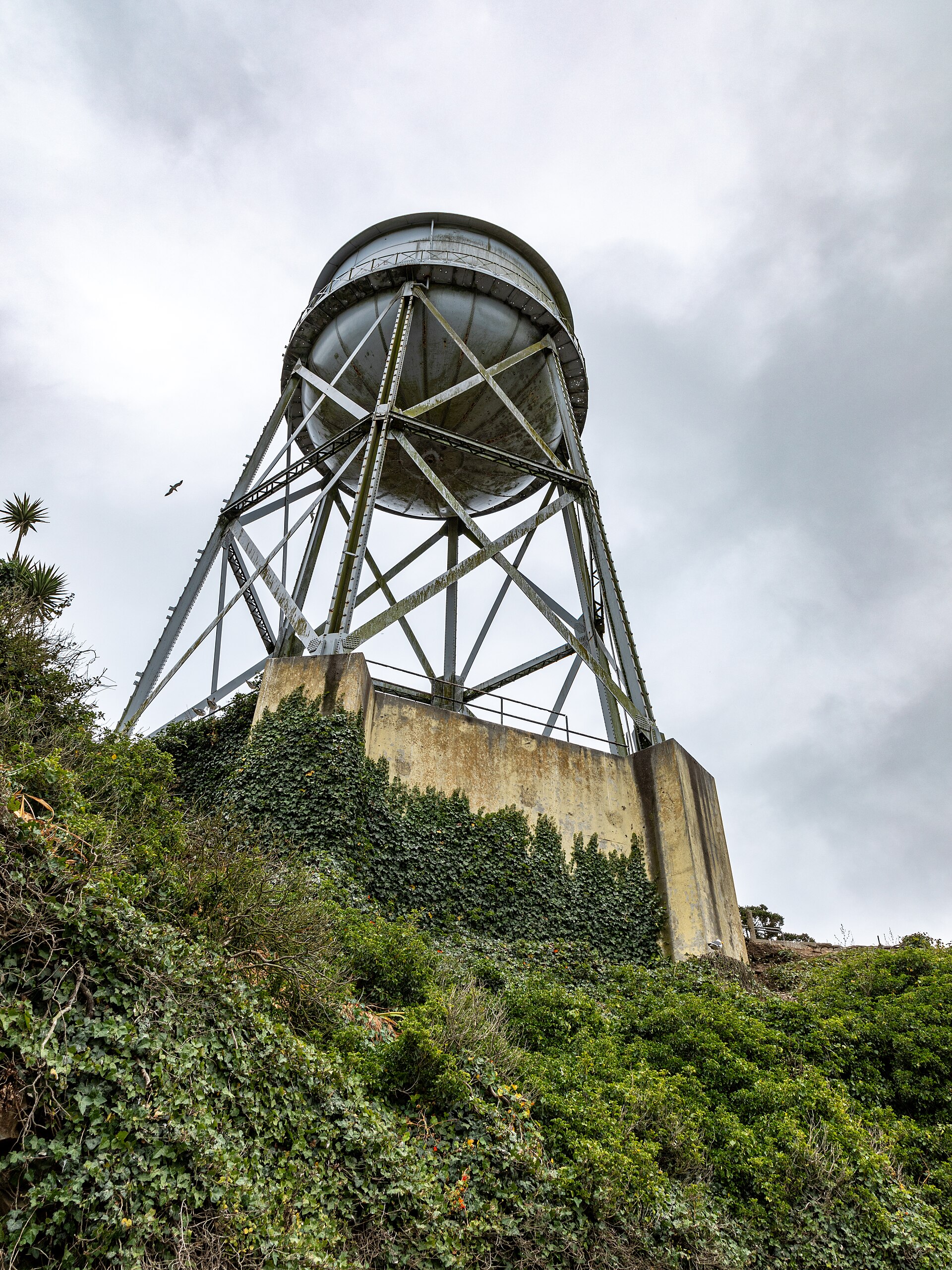
There was no grand climax. No spectacular riot or orchestrated siege forced the gates open. The Rock succumbed to simple bureaucracy and oxidized iron. Deteriorating facilities and exorbitant daily operating costs finalized what no inmate could achieve.
On March 21, 1963, the great inescapable fortress quietly filed its last piece of paperwork. The final inmates were marched onto boats, the cell doors were locked one last time, and the island was surrendered entirely back to the fog.